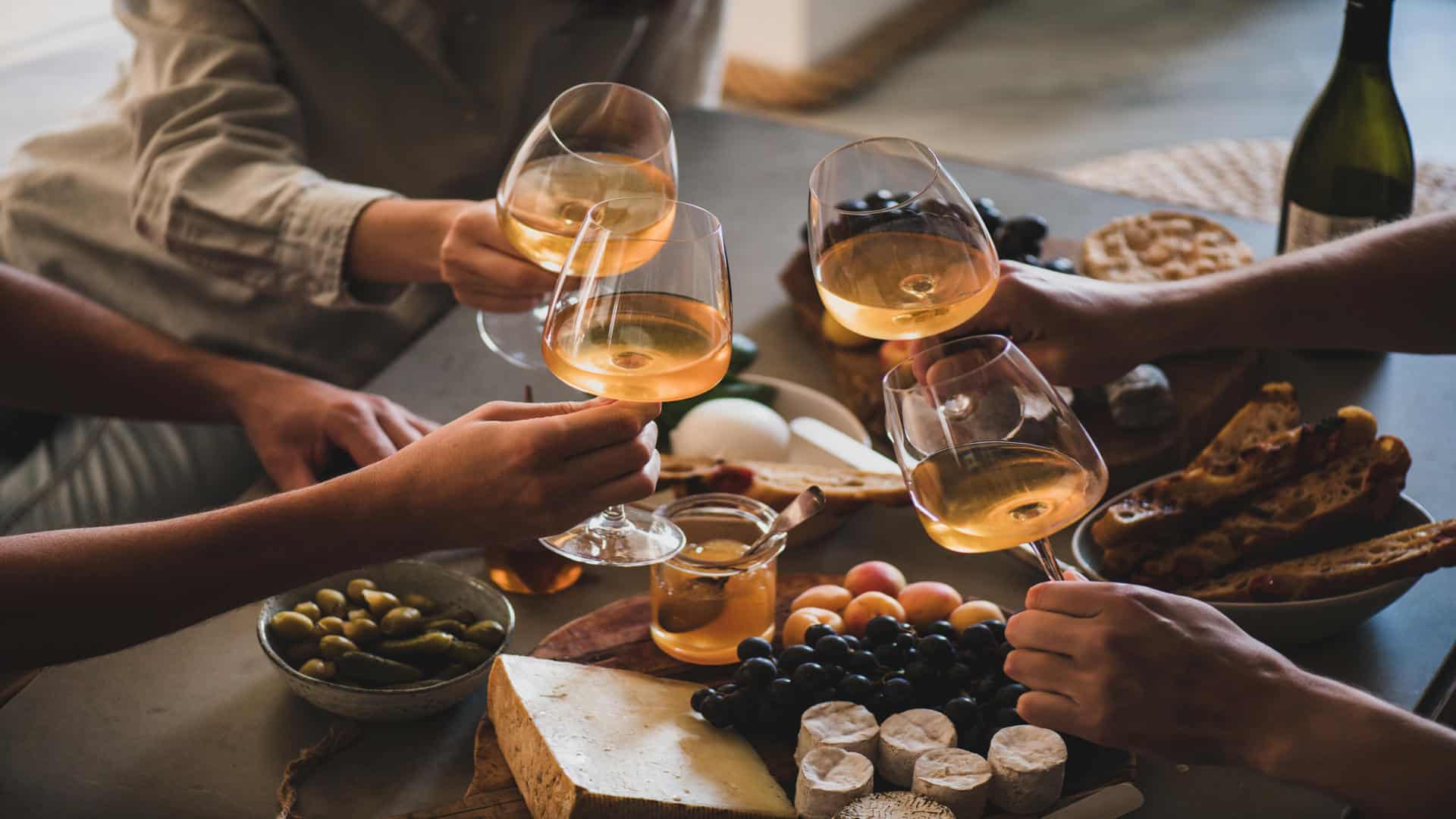
A reputation for beer is a hard thing to shake. Breweries anchor half of Denver’s neighborhoods, and the craft scene draws visitors from across the country. Wine tends to get left out of that story, which is a shame, because a real urban winery culture has grown up here, worth a full afternoon.
The setup here is unusual. Denver sits a mile above sea level with no vineyards in the metro core. Most of its winemakers haul fruit in from Colorado’s Western Slope or buy grapes from California and Oregon. The work happens in warehouses, restored brick buildings, and one genuine vineyard on the grounds of a former family greenhouse operation.
What the scene lacks in rolling hills, it makes up for in character, and every stop has something you cannot find anywhere else. A small group of names has carried it from a curiosity into a genuine draw, and the best of them are easy to reach in an afternoon.
A traditional winery grows its own fruit and sits among the vines. An urban winery separates the growing from the making. The grapes arrive by truck, and the crushing, fermenting, and aging all happen in the middle of the city, sometimes steps from the tasting room bar.
That model carries several clear advantages for a visitor:
None of it requires a drive into the countryside. The whole experience fits inside the metro area.
Most urban wineries skip the growing entirely, which leaves Balistreri Vineyards as the exception that proves the rule. The property spent years as a family carnation and greenhouse business, and the commercial winery opened in 1998 with a space for visitors. Today the grounds hold a working vineyard roughly ten minutes from downtown, along with a restaurant and event space.
The Balistreri approach leans old-world. The family traces its roots to Sicily and works in that tradition, using no added sulfites, fermenting with native yeast, and leaving wines unfined and unfiltered. Lunch and small plates fill out the afternoon. The wines win recognition regularly, with Gold medals at the Colorado Governor’s Cup competition for a recent Sangiovese (in 2024) and Petit Verdot (in 2023).
Bonacquisti Wine Company has poured award-winning bottles in the Sunnyside neighborhood since the mid-2000s, and it wears its lack of pretension proudly. The winery lives in an industrial warehouse hung with local art, and one of its owners, a former radio deejay, even runs an in-house wine station.
The whole place aims to strip the snobbery out of the glass. Bottles carry playful names, the pours skew toward easy drinking, and the calendar stays full of low-key events. A few things bring regulars back again and again:
It is the kind of spot where a first-time taster feels as welcome as a longtime club member.
A restored building from the 1880s in the River North Art District sets the stage, and the contrast defines the place. Soaring ceilings and chandeliers meet a modern industrial interior, and Bigsby’s Folly Craft Winery reads more like a Roaring Twenties supper club than a production facility.
The winemaking is serious underneath the flair. The team sources fruit from California, Oregon, and Colorado, then turns it into reds, whites, and rosé poured by the taste, the glass, and the bottle. A full restaurant menu and pairings encourage lingering, and private blending sessions let guests build a wine of their own.
The map runs deeper than three names. A few others complete a proper tour of the city’s wine side:
All of them are worth a visit, and they show how far Colorado winemaking has come in a short stretch of years, even as the map keeps shifting.
A little forethought turns a handful of tasting rooms into a smooth outing. A short checklist helps:
These places share no single approach. What they share is a set of owners who chose to make wine in a city that had every reason to stick with breweries.
A radio deejay, a Sicilian family, a restored freight building: it looks nothing like wine country, and that is the appeal. Spend a day going room to room, and the reward is not one great bottle. It is how much personality a few determined people can pour into a corner of a town nobody links with the grape.