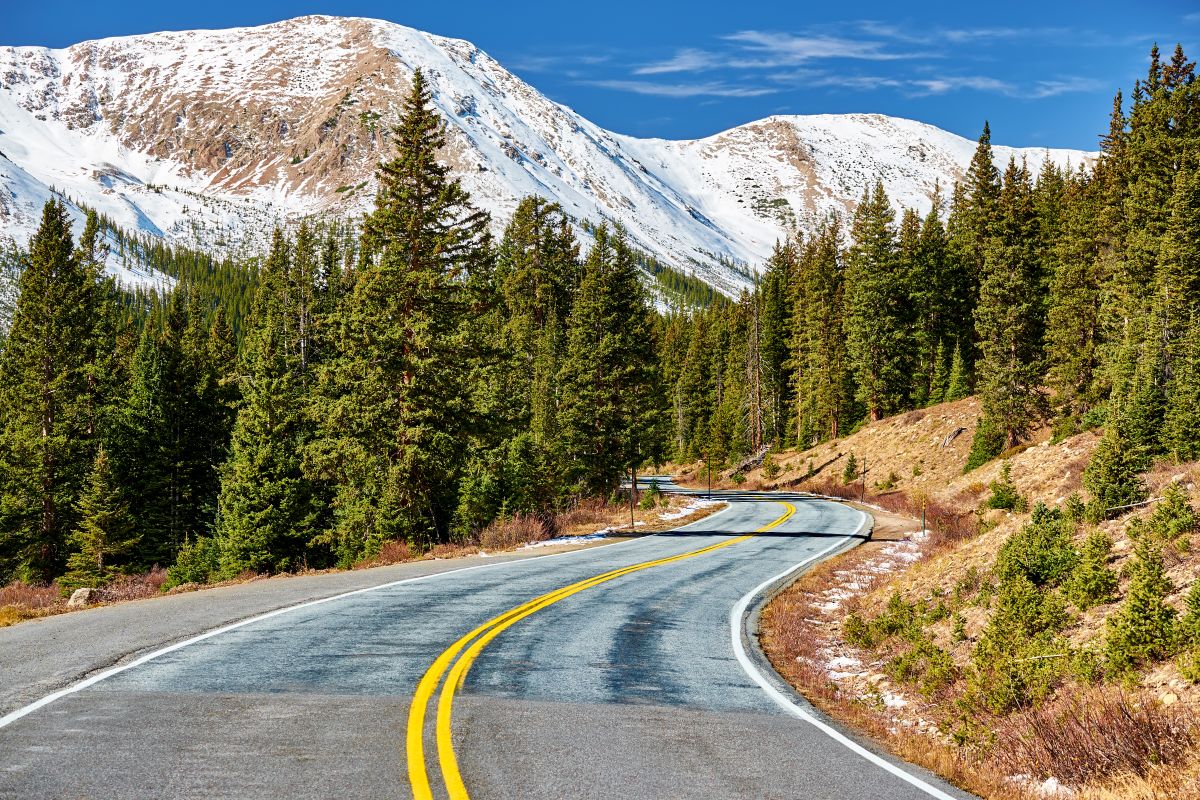
Most first-time trips into Colorado’s mountain corridor look easier on a map than they feel in real life. A drive that starts on clear pavement near the airport can slow near Summit County once ski traffic, changing weather, and road conditions begin to overlap during busy weekends.
What surprises many people is not necessarily the distance. It is how differently the route behaves depending on the hour, the season, and the road conditions. A weekday morning can feel completely manageable, then turn into slow-moving traffic by Friday afternoon as airport arrivals, ski weekends, and weather affect the same sections of road farther west.
The best way to get from Denver to Vail usually depends on season, arrival timing, luggage quantity, group size, and comfort with mountain driving. Some travelers prefer the flexibility of having a vehicle after arriving in the mountains. Others decide that driving unfamiliar winter roads after a long flight feels far less appealing once visibility and road traction begin shifting later in the day.
Most visitors heading toward Vail begin at Denver International Airport before continuing west toward resort areas across Vail Valley and Eagle County. Under lighter conditions, the drive often takes between two and a half and three hours, although winter traffic patterns can change that estimate once snowfall and ski congestion build across the corridor.
The first stretch west of Denver rarely feels especially difficult. Conditions start to change once the highway climbs deeper into the Rockies and traffic patterns tighten at higher elevations.
Rain near the city can turn into blowing snow farther west within the same drive. Visibility sometimes narrows during afternoon storms, particularly after sunset, once headlights begin reflecting off active snowfall near elevated sections of road.
Friday traffic during ski season starts building earlier than many out-of-state visitors expect. By mid-afternoon, westbound slowdowns near Summit County often begin spreading much faster than navigation apps initially predict. Traffic near Frisco and Silverthorne can already feel backed up well before drivers reach resort areas farther west.
What catches people off guard is how weather, visibility, and traffic can simultaneously affect the same portions of the road.
Shared shuttle transportation remains one of the most common alternatives to driving after arriving at DEN. During ski season, transportation companies operate continuous airport-to-mountain routes throughout the day.
For solo travelers and lighter packing situations, shared transportation often works well. The biggest tradeoff usually comes down to flexibility and total travel time.
A shuttle heading west may stop at several resort properties before reaching its final destination. That difference may not seem important when booking transportation online, but it becomes much more noticeable later at night, after delayed flights, baggage claim waits, and several hours of travel.
Winter weekends create another layer of unpredictability. Oversized baggage pickup near the airport slows considerably once multiple ski flights arrive close together.
One of the most common surprises for first-time visitors to Colorado involves rail transportation. Many assume a route between Denver and Vail would naturally include a direct train connection into the mountains. At the moment, no direct passenger rail line connects DEN with the Vail Valley or Beaver Creek. That surprises many visitors because mountain rail connections are common in other major ski destinations worldwide.
Most travel to the mountains still relies on highways, leaving visitors to choose among rental vehicles, shuttles, regional buses, and direct car service, depending on weather conditions, luggage needs, and comfort with winter driving.
Private transportation usually makes more sense once travelers begin thinking realistically about luggage volume, weather conditions, and overall coordination after landing.
Families carrying multiple ski bags, wedding parties arriving on different flights, and corporate travelers heading directly into the mountains often prioritize predictability above all else. Many travelers planning a trip during ski season also prefer to avoid multiple hotel stops once traffic and winter conditions begin to change farther west.
Larger SUVs become especially common during ski season because they create more room for winter luggage while handling changing road conditions more comfortably during longer drives westbound.
The mileage itself rarely intimidates people planning a mountain trip for the first time. What catches them off guard is how the drive can change once weather, ski traffic, and road conditions begin affecting the same stretch of highway.
A weekday morning drive can feel manageable from start to finish. The same route on a Friday afternoon during peak ski season may look completely different several hours later, once airport arrivals and westbound resort traffic begin to overlap.
Holiday weekends amplify nearly every friction point:
Altitude catches many people off guard, too. Visitors arriving from lower elevations sometimes experience fatigue, dehydration, or headaches more quickly than expected when continuing west immediately after landing.
Mountain transportation after dark creates another adjustment. Snowfall, changing visibility, slower traffic, and unfamiliar roads create a very different experience from daytime summer driving.
Trips into the mountains rarely unfold the same way twice during ski season. Weather conditions, traffic patterns, altitude, and resort activity constantly reshape how long the drive takes and how stressful it feels, especially as conditions change farther west.
Some travelers prefer the independence of driving themselves once they arrive in the mountains. Others decide that avoiding winter roads after a long travel day feels far more manageable during busy ski weekends.
In most cases, better mountain trips begin with realistic expectations. Earlier departures, extra room in the schedule, and a clearer understanding of how traffic behaves farther west usually matter more than mileage alone.